

My Hair Loss and Diagnosis Journey

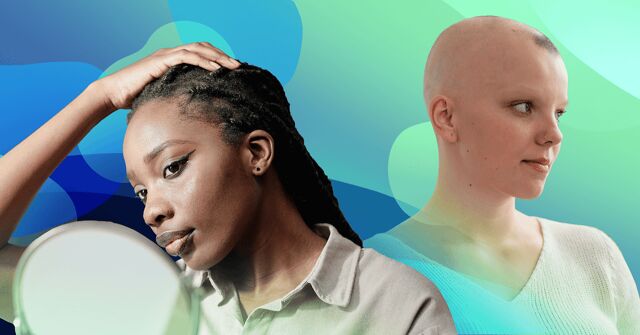
Alopecia did NOT enter my life quietly. It arrived with handfuls of shed hair, thinning patches, bath water covered in a film of it, eyebrows that looked like I was in chemo...And an emotional weight that felt heavier than I ever expected.
When you live with chronic illness, your hair becomes one of the last visible pieces of “normalcy” you try to hold onto. Losing it isn’t just about appearance. It’s about identity, dignity, and the fear that comes with your body changing in ways you can’t control.
How alopecia affects me
After my stage accident, my hair loss became the most visible symptom of an otherwise invisible set of chronic illnesses. It literally changed the way others saw me, and, the way I saw myself. I felt grief, frustration, and vulnerability. Everyday tasks, such as brushing, washing, and styling became a continuous reminder that something deeper was wrong.
Alopecia added even more emotional weight to an already heavy medical burden, making me feel exposed during a time when I already felt fragile.

Why I developed alopecia
Alopecia didn’t happen to me randomly. It’s a common comorbidity of my much larger group of medical diagnoses. My body already struggles with overactive inflammation, making my hair follicles easy targets.
Mast cells release histamine and inflammatory chemicals that irritate the scalp and trigger shedding.1 My dysautonomia can cause unstable blood flow means my scalp sometimes doesn’t get the nutrients it needs.
My gut issues, bile problems, and food sensitivities make it hard to absorb key vitamins and minerals for hair growth.
Chronic stress from chronic illnesses, such as connective tissue disorder, fibromyalgia, IBS, long COVID, and complex PTSD--Living in a constant state of medical survival pushes hair into the shedding phase.2
Some treatments that help my conditions can also unintentionally worsen my hair loss and thinning. Alopecia is part of this same systemic puzzle, not a separate condition that occurred without reason.
How I treat it
I approach my hair the same way I approach my health overall: gently, holistically, and consistently.
First, I lowered my inflammation with a gut-safe, low-histamine diet (mostly gluten-free, non-dairy, etc.), electrolytes, ginger tea, and pacing. I gave myself grace in space to heal in my own time. Recovery is not a straight line, but a bumpy one, a series of ups and downs.
I managed my MCAS through cromolyn sodium, antihistamines, supplements (quercetin, turmeric, DAO, rose hips) and trigger avoidance (stress).
I supported lost nutrients with zinc, B12, collagen, gentle iron, omega-3s, and vitamin C.
I care for my scalp with fragrance-free, and irritant-free hair products (shampoo, conditioner, Rosehip, and rosemary oils, heat protectant), and very gentle, daily massage. (Note: I had a dermatologist do patch testing, on my back, to find out which ingredients irritated my skin. This way, I could choose products that did not have them. Your dermatologist can input your skin allergies into the ACDS camp app by the American Contact Dermatitis Society. The app will show you only products that are safe for you to use!)
I tried to balance my stress and hormones through consistent sleep routines, nervous system regulation, slow breathing exercises, meditation, tai chi and vagus nerve stimulation.
I tried regenerative therapies like PRP and HBOT to reduce systemic inflammation and cosmetic treatments, such as microdermabrasion, or permanent makeup, to give the appearance of eyebrow hairs where I have none.
None of these are magic fixes — but together, they help me help my hair to strengthen and regrow.
What alopecia has taught me
Alopecia has taught me that hair loss isn’t simply vanity, it’s vulnerability. It reminded me that healing is nonlinear, that my identity isn’t defined by strands of hair, and that resilience can grow even when hair doesn’t. Resilience is a skill that will serve you the rest of your life.
It’s become such a big part of mine that I’ve become a featured speaker on “The Secret To Resilience.” Alopecia is part of my story, but it isn’t the end of my story. I am still here, still healing, and still learning to love the person I am, with more hair, less hair, or no hair.
Join the conversation